
Ears in Harmony: What Is Otoplasty and When “Non-Surgical Otoplasty” Truly Helps
September 1, 2025
Breast Augmentation in Madrid, Marbella, and Gibraltar
September 19, 2025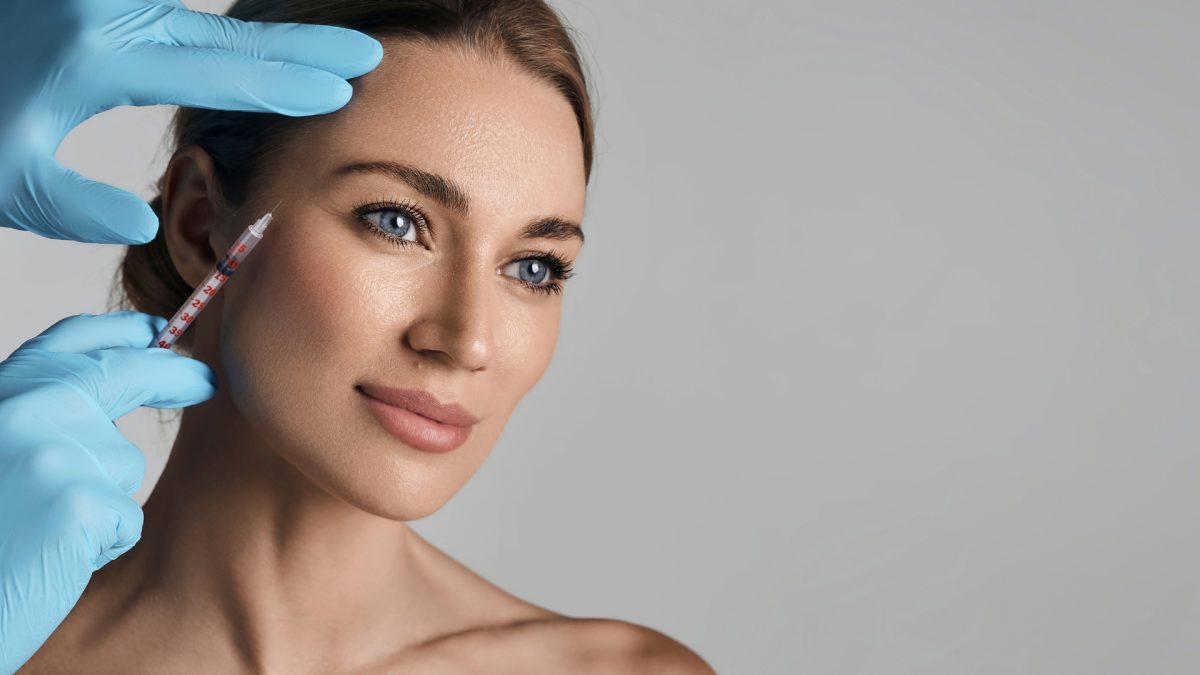
Think of your face as an orchestra: when one instrument dominates—nose, eyelids, jawline, or neck—the melody loses balance. Facial aesthetic surgery lowers what is too loud and enhances what is missing so the composition remains unmistakably you—simply better tuned. Begin with purpose, not trends. If the same “noise” keeps showing up in photos—under-eye bags, a heavy neck, or a dominant nasal tip—then a focused procedure (blepharoplasty, neck lift, rhinoplasty, genioplasty) outperforms scattered quick fixes. Adjunct non-surgical treatments (botulinum toxin, fillers, lasers, energy-based devices) refine details; but when laxity or structural imbalance is present, surgery is the primary instrument.
What Does Facial Aesthetic Surgery Involve?
It is not about “changing your face”; it is about rebalancing proportions and improving tissue quality with techniques that respect your identity.
- Structure: nose, chin, cheekbones, jawline (rhinoplasty, genioplasty, implants, or selective bony advancement).
- Soft tissue: mid/lower-face and neck laxity (face/neck lift, SMAS/platysma plication, selective cervical liposuction).
- Excess skin/localized fat: eyelids (upper/lower blepharoplasty, fat pad management, lateral support tightening).
- Surface: texture and tone (lasers, peels, intense pulsed light) as a finishing phase after structural correction.
Suggested sequence: 1) structure, 2) soft tissue, 3) surface. This ensures non-surgical touch-ups work with, not against, gravity.
When Is It Appropriate?
Indicated when any of the following persist despite good sleep and skin care:
- Eyelids with redundant skin or fat bags projecting tiredness even when rested.
- Nose disproportionate to the face (dorsum, tip, or compromised breathing).
- Marionette lines, deep folds, jowls due to descent of the lower face.
- Neck with platysmal bands, laxity, or resistant submental fat.
- Retruded chin/lower third that unbalances the profile.
If the issue is mainly dynamic lines (expression) or mild texture, start with non-surgical care. If there is excess skin or true descent, surgery offers predictable, durable results.
Assessment and Planning
Two voices guide the plan: what distracts you and what facial analysis reveals.
- Standardized photography (frontal, profile, three-quarter) with proportional measurements.
- Three reference images for aesthetic direction (not for imitation).
- Phased plan with realistic goals, illustrated through simulations/examples.
- Review of health and habits (medications, keloid tendency, smoking, bruxism, contact sports) and a recovery timeline aligned with your schedule.
Preoperative Care: Arriving at the Operating Room at Your Best
Four essential pillars:
- Medical
- Preoperative tests per age/history.
- Adjustment or suspension of agents that increase bleeding (NSAIDs, anticoagulants, certain supplements) only under medical guidance.
- Optimization of chronic conditions (hypertension, diabetes, thyroid disease).
- Habits
- Complete cessation of smoking and vaping for at least 4 weeks before and after: improves healing and reduces complications.
- Avoid alcohol for 72 hours pre-op; prioritize sleep and hydration.
- Skin
- Strict photoprotection for 2–4 weeks pre-op.
- Simple routine: gentle cleanser + moisturizer + SPF; avoid peels/irritants in the prior two weeks unless directed.
- Logistics
- An escort for same-day discharge (for most procedures).
- Home set-up: cold compresses, pillows to sleep semi-upright for the first days, soft foods if the lower third is treated, and a cleared schedule for the recommended rest.
What Is the Procedure Like?
- Blepharoplasty: removes redundant skin and reshapes fat pads; lateral support can be tightened when needed. The goal is rested, refreshed eyes, not a “pulled” look.
- Structural rhinoplasty: refines dorsum and tip, straightens the septum when indicated, and improves nasal function. It preserves character while correcting what disrupts harmony.
- Facelift/neck lift: repositions deep planes (SMAS/platysma) and removes excess skin with discreet incisions along the ear/hairline. Restores jawline and neck definition; may combine with submental liposuction for localized fat.
- Genioplasty/mandibular definition: enhances projection or contour of the lower third for a balanced profile.
Typical recovery timelines (approximate):
- Eyelids: ~1 week for basic social activity.
- Rhinoplasty: 1–2 weeks (residual tip edema may evolve for months; final refinement up to 12 months).
- Lifts: 2–3 weeks to look “presentable”; maturation continues over 3–6 months.
Expect swelling, bruising, and temporary numbness. Occasionally, a minor refinement perfects the outcome—like tuning a violin until it resonates.
Early Postoperative Care
- Head elevated during sleep for the first 1–2 weeks.
- Intermittent cold therapy for 48–72 hours if your surgeon advises.
- Incision care as directed; keep wounds clean and dry.
- Activity: gentle walking from day one; office work as procedure allows (~1–2 weeks); non-impact exercise from 2–3 weeks; contact sports/helmets when cleared.
- Warning signs: increasing, tense pain (possible hematoma), spreading redness, fever, or malodorous drainage → seek prompt assessment.
Philosophy of Outcome
Excellent surgery preserves your identity. The aim is not cloned features, but proportion and coherence—so the eye returns to the whole. Naturalness is planned; elegance is noticed, not announced.


